
Oxford's council housing account is forecast £1.7m over budget: £1.4m for a waking watch in tower blocks and £700,000 more on damp and mould repairs.
Oxford City Council’s housing account is forecast to end the year £1.7 million worse than its revised budget. The two main reasons are an unbudgeted fire safety patrol in some council tower blocks, and extra damp and mould repairs.
The figures are in the council’s performance report for April to June, which goes to Cabinet on Wednesday 21 October. Cabinet is asked only to note it.
The Housing Revenue Account pays for the city’s council homes. It is funded by tenants’ rents and kept separate from the council’s main budget.
A second gap in two months
This comes after a budget error found in the summer. A CPI rate left unchanged had over-estimated rent income by £3.848 million, and on 3 September councillors agreed to draw £3.5 million from reserves to cover it. We reported that decision in August.
The revised budget for 2026/27 already expected a deficit of £2.027 million. The new forecast, at 30 June, is a deficit of £3.722 million. That is £1.695 million worse.
What is driving it
The report names these pressures and savings on the housing account:
- £1.4 million for a waking watch at some council tower blocks, which was not in the budget
- £700,000 more on damp and mould repairs than planned
- a saving of £157,000 on management costs, including court fees
- a saving of £100,000 on the provision for bad debts
- £135,000 more income than expected from leased rentals and assignments
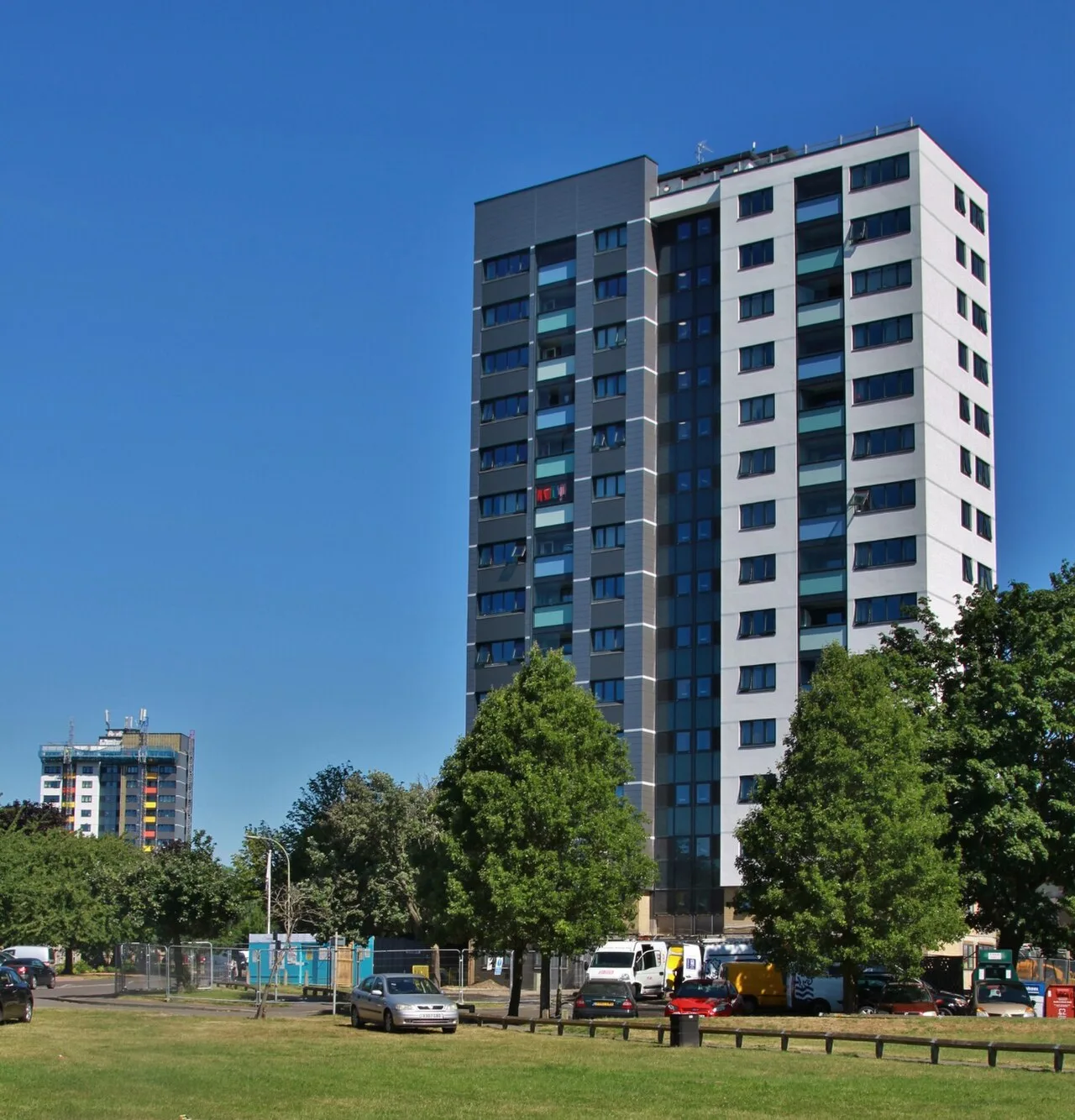
A waking watch means trained staff patrolling a building to raise the alarm if a fire breaks out. The report calls it “critical to the safety of our tenants in the unlikely event of a fire in those blocks”. It says the watch is “temporary whilst more cost-effective measures for raising the alarm are put in place”. It does not say which blocks are covered, why the watch began or when it will end.
Damp and mould
The council budgeted £1.5 million for damp and mould works this year. It now expects to spend £2.2 million. In the first three months it spent £612,939 against a budget of £375,000 for the period.
The report puts the increase down to “compliance with Awaab’s Law”. Since October 2025 that law has set fixed deadlines for social landlords to deal with damp and mould. The council’s own damp and mould policy says it will investigate a potential emergency hazard and make it safe within 24 hours. If that safety work cannot be finished in time, it will pay for the household to stay somewhere else.
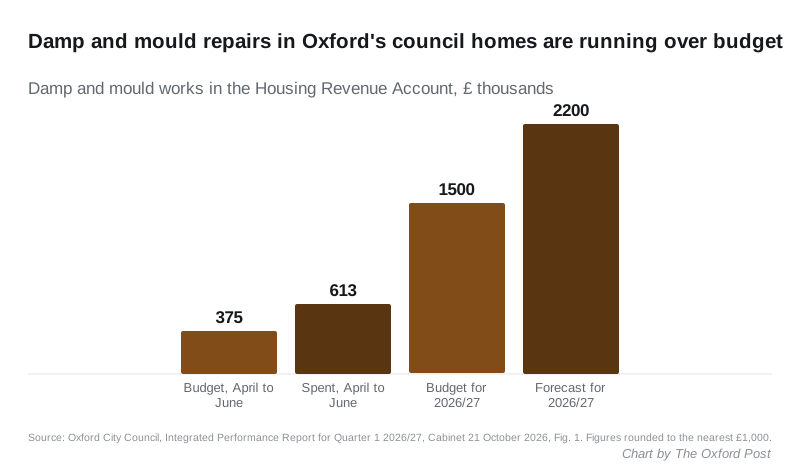
Other repairs ran over in the first quarter too. Asbestos work had cost £249,918 against £87,500 budgeted for the period. General minor works had cost £899,066 against £750,000. Underspends elsewhere, on fire safety, gas and highways among others, almost balanced the total. The report still forecasts repairs and maintenance £700,000 over budget for the year, all of it from damp and mould.
Rent income
Between April and June, rent from council homes came in £378,000 below budget. Other income was a little higher, so total income was £245,000 short for the quarter.
The risk the council is watching
The same report lists five red risks on the council’s corporate risk register. One is a failure to meet the customer standards in the Social Housing (Regulation) Act 2023, “particularly the Safety and Quality Consumer Standard”. The report says such a failure “could result in a major incident that compromises tenant safety, leading to sanctions, regulatory intervention, and severe reputational damage”.
The report does not say how the £1.695 million gap will be closed. In August the finance director’s report on the budget error said officers would look for efficiency savings during the year to offset these pressures.
The rest of the council’s budget
The council’s main budget, the General Fund, is forecast £377,000 over. The report blames pressures in four areas: Communities and Citizen Services, Planning and Regulatory Services, Corporate Communications and Financial Services.
What it means for you
- If you are a council tenant with damp or mould: report it. The council’s reporting page says emergency cases are treated within 24 hours and moderate cases within five working days. The extra spending does not change those deadlines.
- If you live in a council tower block: the report does not say which blocks have a waking watch. Your block’s fire safety arrangements should be explained by your housing officer, and the council’s tenant pages carry its contact details.
- For everyone else: the housing account is separate from council tax, so this overspend falls on the council’s housing budget, not on the General Fund.
Have your say