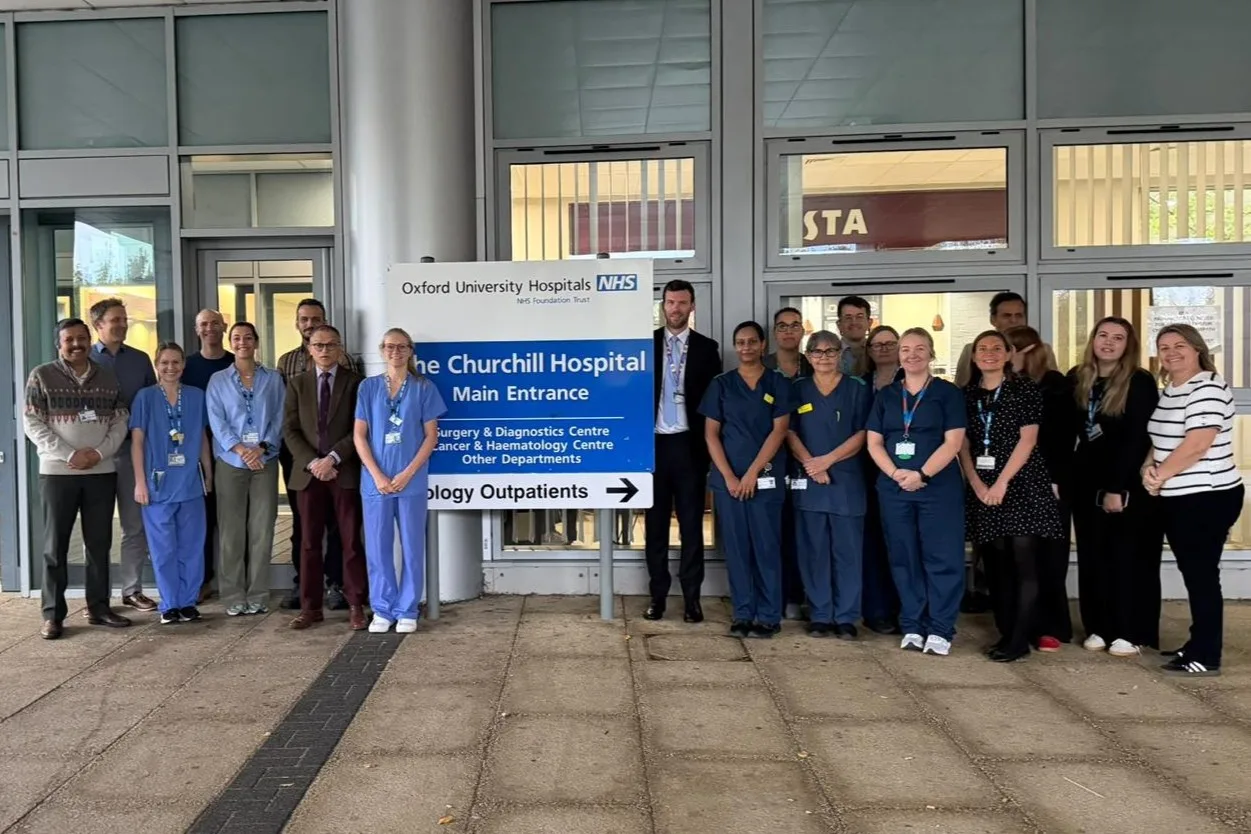

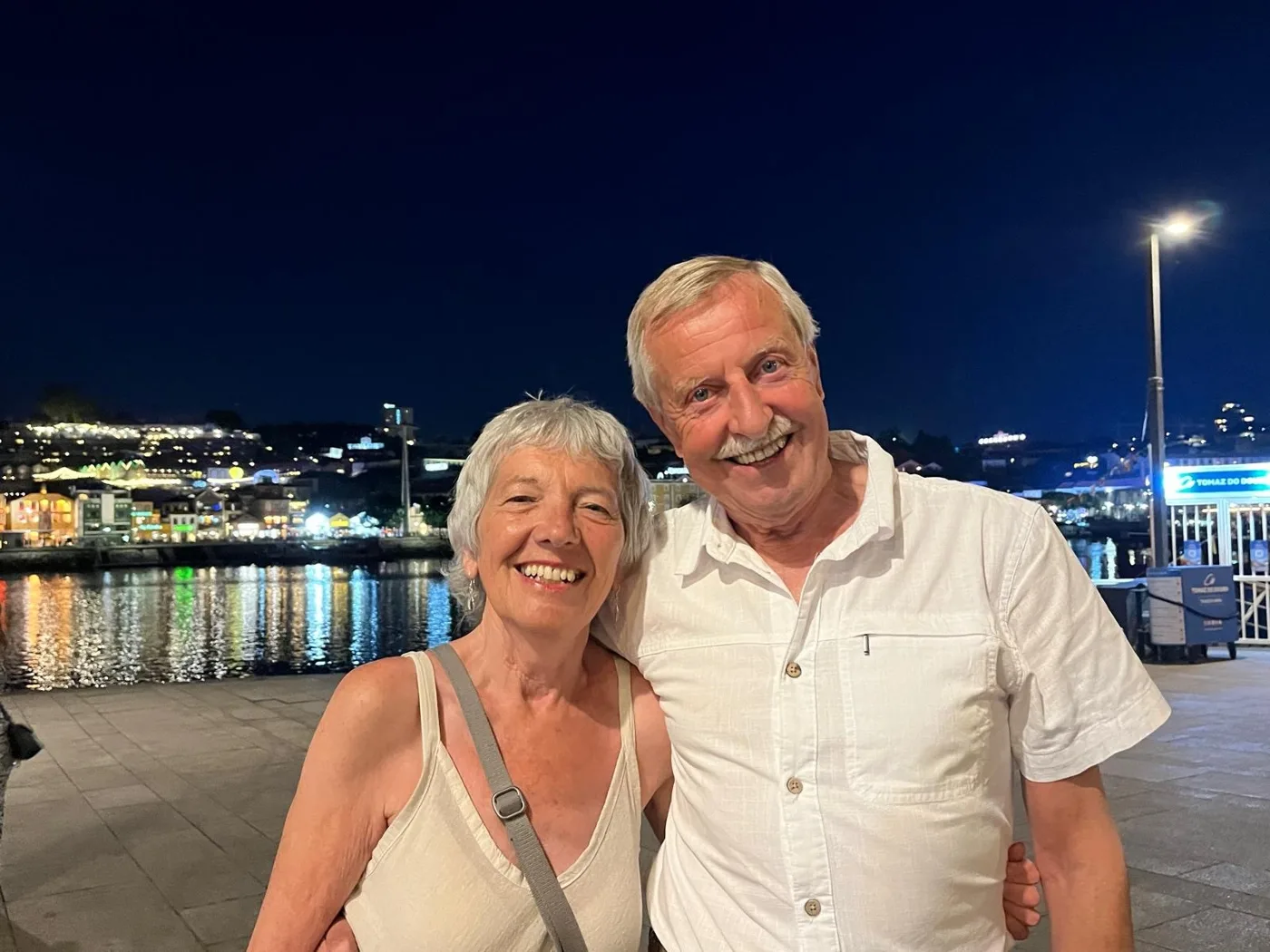
A Churchill Hospital fast-track has cut the wait for surgery from 40-60 days to 14-16 for some pancreatic and bile duct cancer patients. Checked November 2026.
Some patients with pancreatic or bile duct cancer are now getting from diagnosis to major surgery at the Churchill Hospital in 14 to 16 days on average, down from around 40 to 60 days. The figures come from Oxford University Hospitals (OUH), whose hepatobiliary and pancreatic surgery department runs the fast-track pathway in Headington. It has done around 80 of the fast-track procedures since the pathway became established in March 2025. (OUH newsroom, 4 November 2026)
The pathway takes patients from across Oxfordshire, Berkshire and Buckinghamshire, and the trust has appointed an additional Clinical Nurse Specialist to support its continued development.
How it saves the time
The pathway is for patients with pancreatic or lower bile duct cancers who have developed jaundice because of a blocked bile duct, and who are fit to have surgery without additional treatment or preparation first.
These patients would usually have an extra procedure before their cancer surgery: a small tube, called a stent, is put in to help relieve the blockage. The fast-track lets some of them go straight to the operation without one. The trust says that cuts their time waiting for treatment and avoids the risk of complications from the stent procedure.
The operation itself is a Whipple procedure, a major operation that removes the head of the pancreas and nearby parts of the digestive system before the remaining organs are reconnected. Around 30% of patients having a Whipple across the Thames Valley Cancer Network are currently offered the fast-track.
Phil’s 10 days
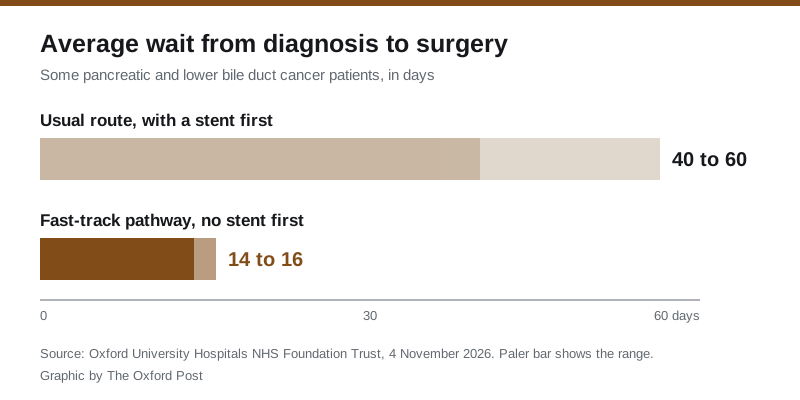
Phil Hammond, 74, a retired recruitment manager from near Bedford, was treated through the pathway after his wife Ruth, a retired nurse, noticed that the whites of his eyes had turned yellow. He went to his local hospital, where scans found a mass in his pancreas.
After rapid referral and review at the Churchill, he had his Whipple procedure 10 days after the scans confirmed the mass. Tests after the operation confirmed lower bile duct cancer. He spent 14 nights at the Churchill and is now making what the trust describes as a “good and steady recovery”, supported by his family.
He said:
“The whole experience has been a bit of a roller coaster but having the diagnosis and then the operation happen so quickly meant it didn’t feel too overwhelming. I’ve always been someone who just gets on with things, so I tried to stay positive and think, ‘let’s get this sorted’.
“My experience of the fast-track pathway has been amazing. I was apprehensive and a little scared, particularly as this was my first ever hospital admission, but any fears I had were quickly put at ease.
“I will be forever grateful to everyone involved in my care, from the surgeons and doctors to all the nursing staff. ‘Outstanding’ doesn’t feel like a strong enough word to describe them all.”
What the surgeons say it takes
Michael Silva, Consultant Surgeon and Clinical Lead for Hepatobiliary and Pancreatic Surgery at OUH, said:
“It is fantastic to see Phil recovering well following his surgery. His experience demonstrates the difference this fast-track pathway can make by helping patients get to major surgery sooner.
“Delivering this requires teams to work closely together at every stage, with rapid communication, specialist diagnostics and close coordination between our surgical and nursing teams.
“It is incredibly rewarding to see what this joined-up approach can achieve for patients.”
Felicity Taylor-Drewe, OUH’s Chief Operating Officer, said the trust still had further to go:
“This is a really positive example of how our teams are working differently to improve care for patients and reduce the time they are waiting for treatment.
“Thank you to everyone involved in developing and delivering this pathway for their hard work and commitment to our patients.
“We know there is more to do to reduce waiting times across our services, but improvements such as this show what can be achieved as we continue that work.”
What it means for you
- It covers a specific group. The trust describes patients with pancreatic or lower bile duct cancer, with jaundice from a blocked bile duct, who are fit for surgery without other treatment first. At around 30% of Whipple patients across the network, most people having the operation are not currently offered it.
- You do not need to live in Oxford. The pathway supports patients across Oxfordshire, Berkshire and Buckinghamshire.
- The NHS has more on both cancers, including pancreatic cancer and bile duct cancer. Questions about the trust’s services go to Oxford University Hospitals.
Have your say