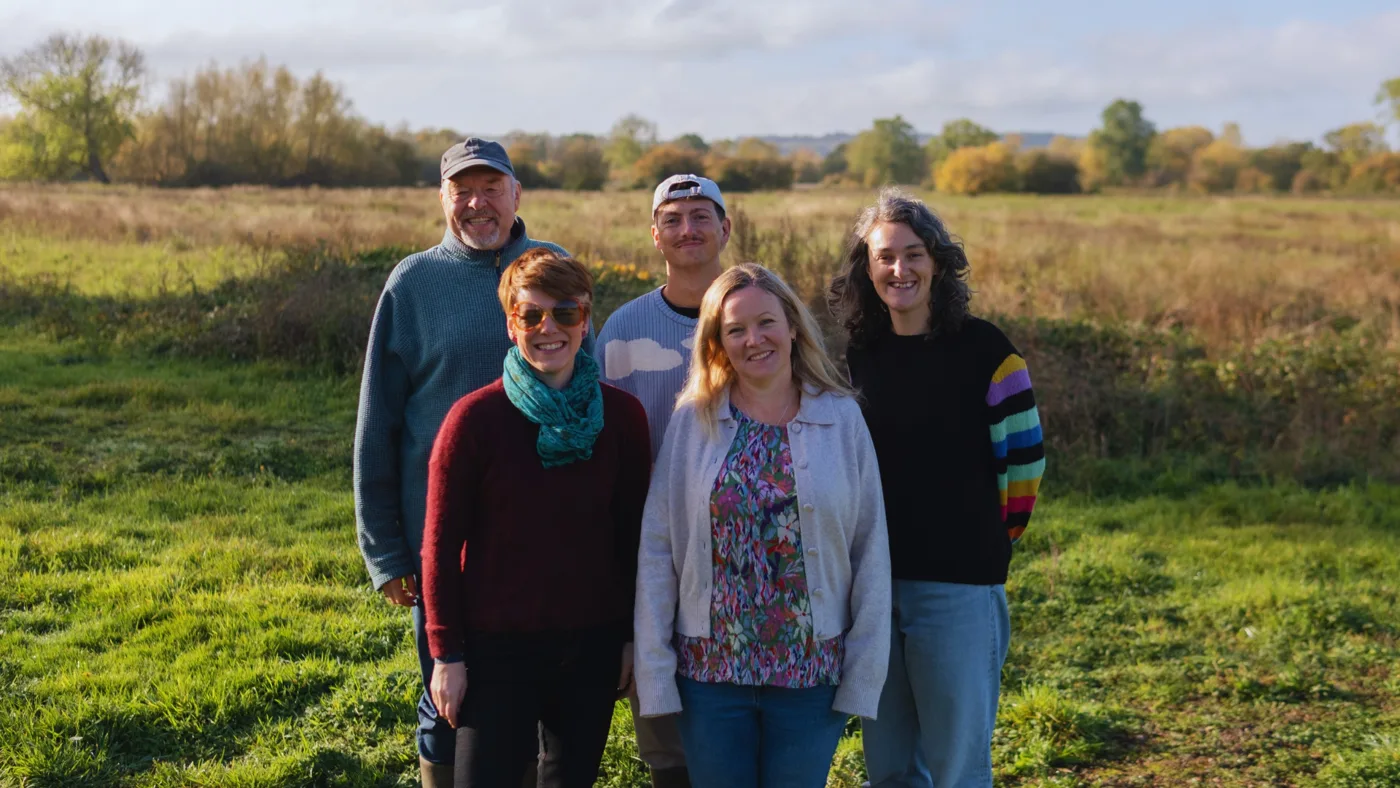

Low Carbon Hub is selling shares from £100 to build a 7.4 MW solar park with a battery near Yarnton. The offer is open until 5 February 2027.
Low Carbon Hub is asking the public to buy shares, from £100 each, to help build Common Lot, a 7.4 MW solar park with 10 MWh of battery storage off the A44 near Yarnton. The Oxford social enterprise wants to raise at least £500,000 through the offer, which opened on 5 November and closes on 5 February 2027. Construction is due to start in spring 2027.
Low Carbon Hub says Common Lot is the first community-owned solar park it knows of where the panels and the battery have been designed and built together from the start. The 23-acre site sits next to Yarnton industrial estate, between the A44 and the Cherwell railway line.
What Common Lot will produce
According to Low Carbon Hub, the park will generate 7.9 GWh of electricity a year, enough to power more than 3,000 homes, and save around 1,000 tonnes of carbon a year. It estimates the project will produce £6.3 million of community benefit over its 42-year lifetime.
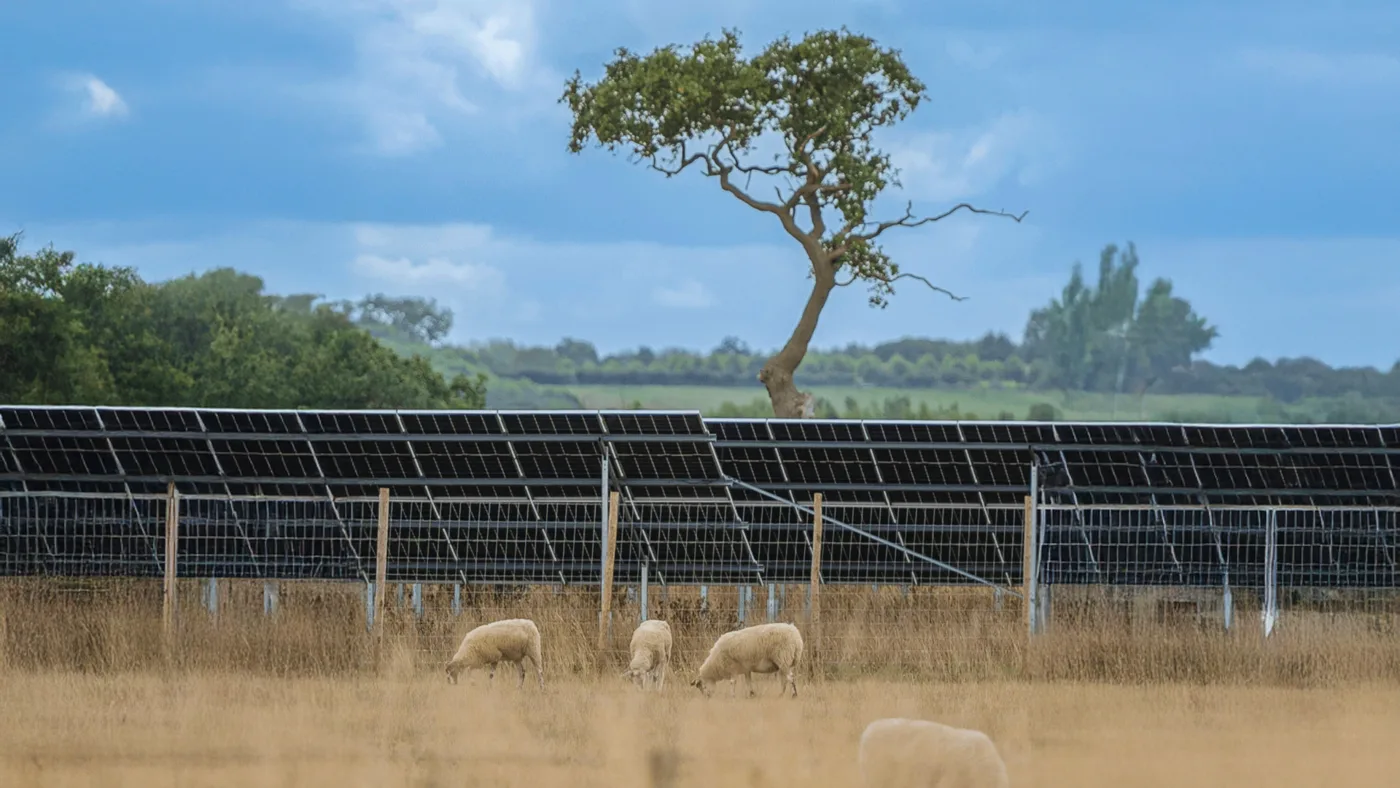
The site will use bifacial ground-mounted panels and a 10 MWh battery with a 2 MW import connection. The battery stores surplus solar power and sells it when it is needed. It can also buy power from the grid when it is cheap and plentiful, during the day, and export it in the evening when prices and demand are higher. Low Carbon Hub says that lets more of the site’s clean power be used and earns more income for its community fund.
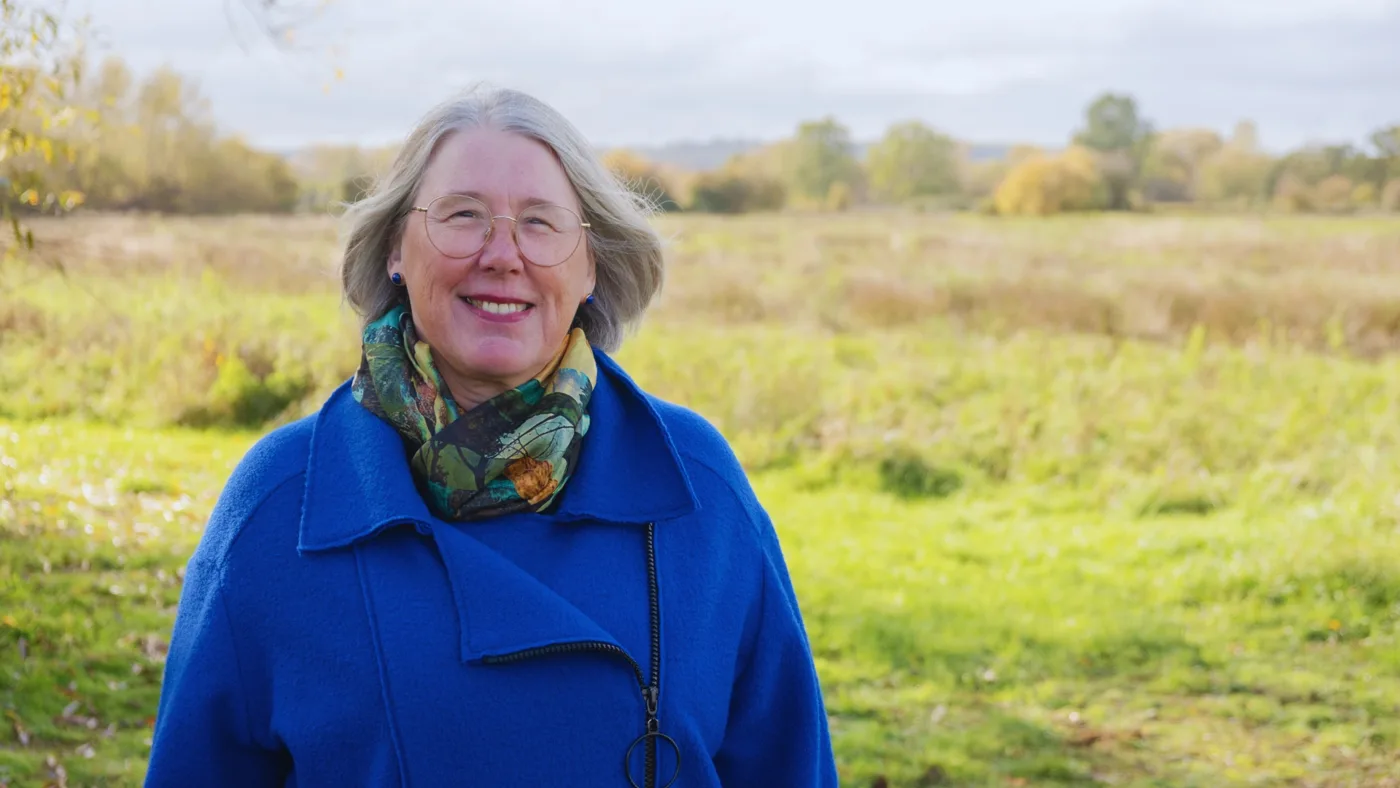
Dr Barbara Hammond MBE, the chief executive of Low Carbon Hub, said:
“Common Lot represents a brilliant opportunity to get involved in community-owned energy. While there are lots of new solar parks being developed in Oxfordshire, we do things differently, with community at the heart of everything. Our clean energy projects are owned by the community with 100% of our profits funding other community benefit activities.”
“Our projects build the sustainable energy systems we need for the future. This is the first time that we know of a community-owned purpose-built solar site, with battery capacity being designed and delivered together from the start. Combining best in class solar panels with battery storage and import capacity allows us to create, capture and use more clean energy, strengthen local energy resilience, and generate more revenue for other carbon saving projects.”
When it will be built
The project page sets out the timetable:
- September 2026: agreement signed to buy the site.
- January 2027: final design confirmed and biodiversity plans drawn up.
- May 2027: construction begins.
- February 2028: the park is commissioned and starts generating.
The land is low-grade agricultural land and is not farmed at the moment. Low Carbon Hub plans to plant native hedgerows, borders and a wildflower meadow, and to put up bird and bat boxes and beehives, as it has done at its existing ground-mounted park, Ray Valley Solar.
Why it is called Common Lot
The name comes from an old Yarnton custom, the organisation explains on its project page. For centuries the village shared out its hay meadows, Oxey, Pixey and West Mead, by drawing lots: 13 balls of cherry or holly wood, each inscribed with a name, were drawn each summer to decide which strip of meadow each holder would mow. The custom no longer takes place. Oxey Mead and Pixey Mead are now a nature reserve cared for by the Berks, Bucks and Oxon Wildlife Trust.
How the share offer works
Shares cost £1 each, with a minimum investment of £100 and a maximum of £100,000, including anything already invested. People and organisations invest through the impact investing platform Ethex. The money goes into Low Carbon Hub’s Community Energy Fund, which is helping to finance Common Lot along with other projects.
The share offer document gives the terms:
- The issuer is The Low Carbon Hub IPS Limited, a community benefit society registered under number 31903R, based at Holywell House, Osney Mead.
- The target interest rate is 5% a year. It is a target, not a guarantee. Interest is usually paid once a year, around September.
- The shares are withdrawable: investors can apply to take their money out, but the society does not have to agree to every request.
- The document warns that investors may lose some or all of their money, and that members of registered societies have no access to the Financial Ombudsman Service or the Financial Services Compensation Scheme.
Low Carbon Hub says community shares mean less reliance on other borrowing, and that 100% of surplus profit from the park will go into other low carbon projects locally, such as helping schools, homes and businesses use less energy.
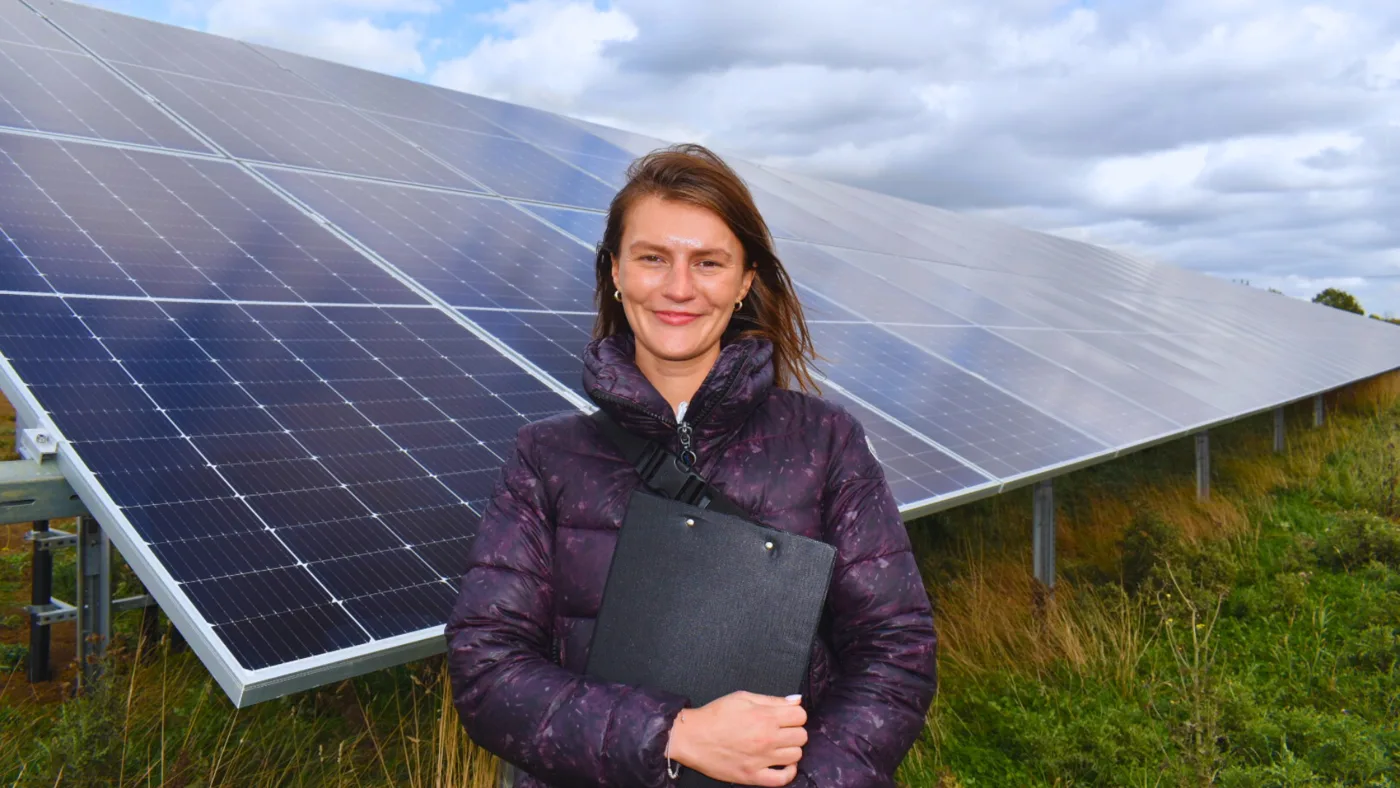
At the end of its 2025/26 financial year, Low Carbon Hub had 1,767 investors with £10,140,361 invested, and paid £503,805 in interest at 5%, according to the offer document.
Low Carbon Hub’s other projects
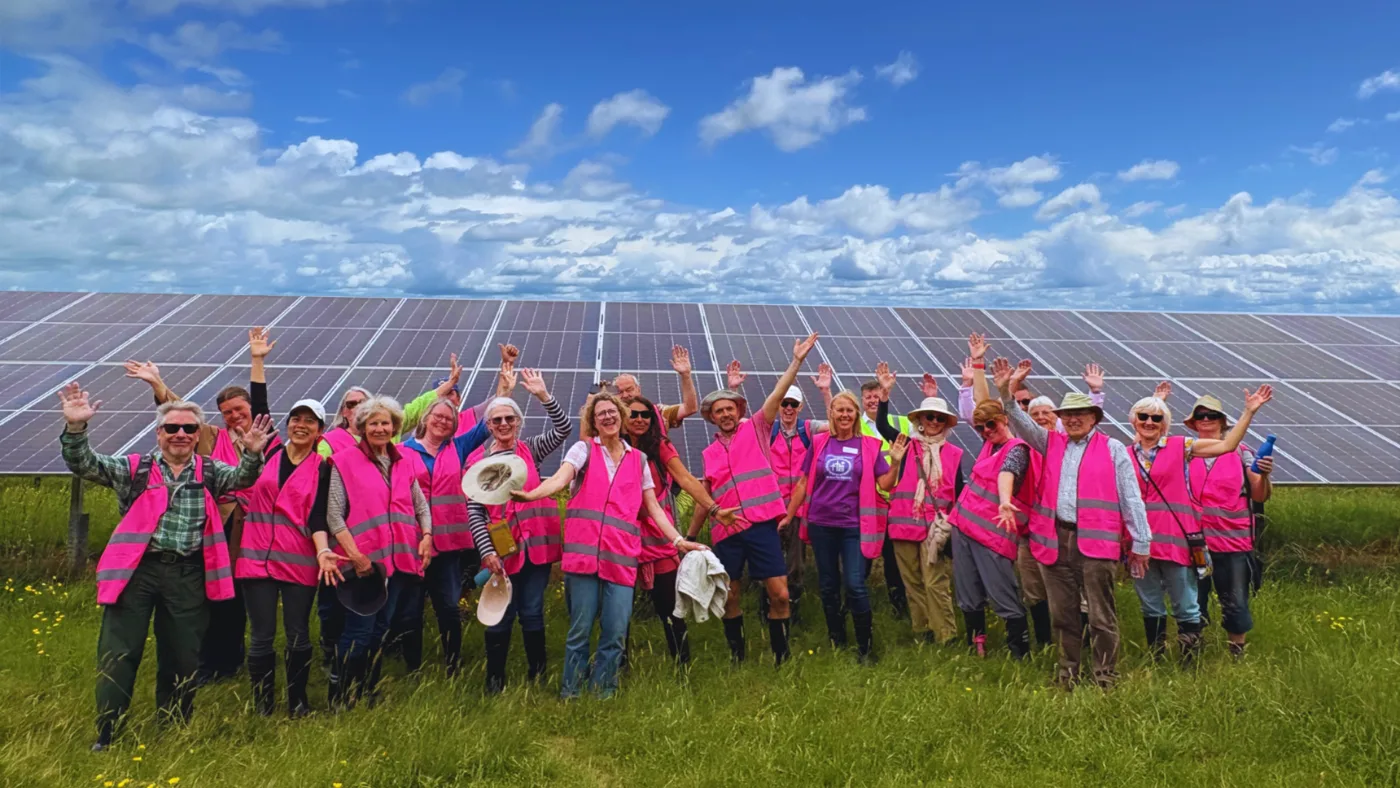
The organisation has 55 community-owned renewable energy projects in Oxfordshire. They include Ray Valley Solar, one of the UK’s largest community-owned solar parks, which Low Carbon Hub says generates 20 GWh a year and where it is now adding battery storage; rooftop panels on 32 schools and five businesses; and Sandford Hydro, which the offer document describes as the largest community-owned hydro scheme on the Thames, with 440 kW of capacity.
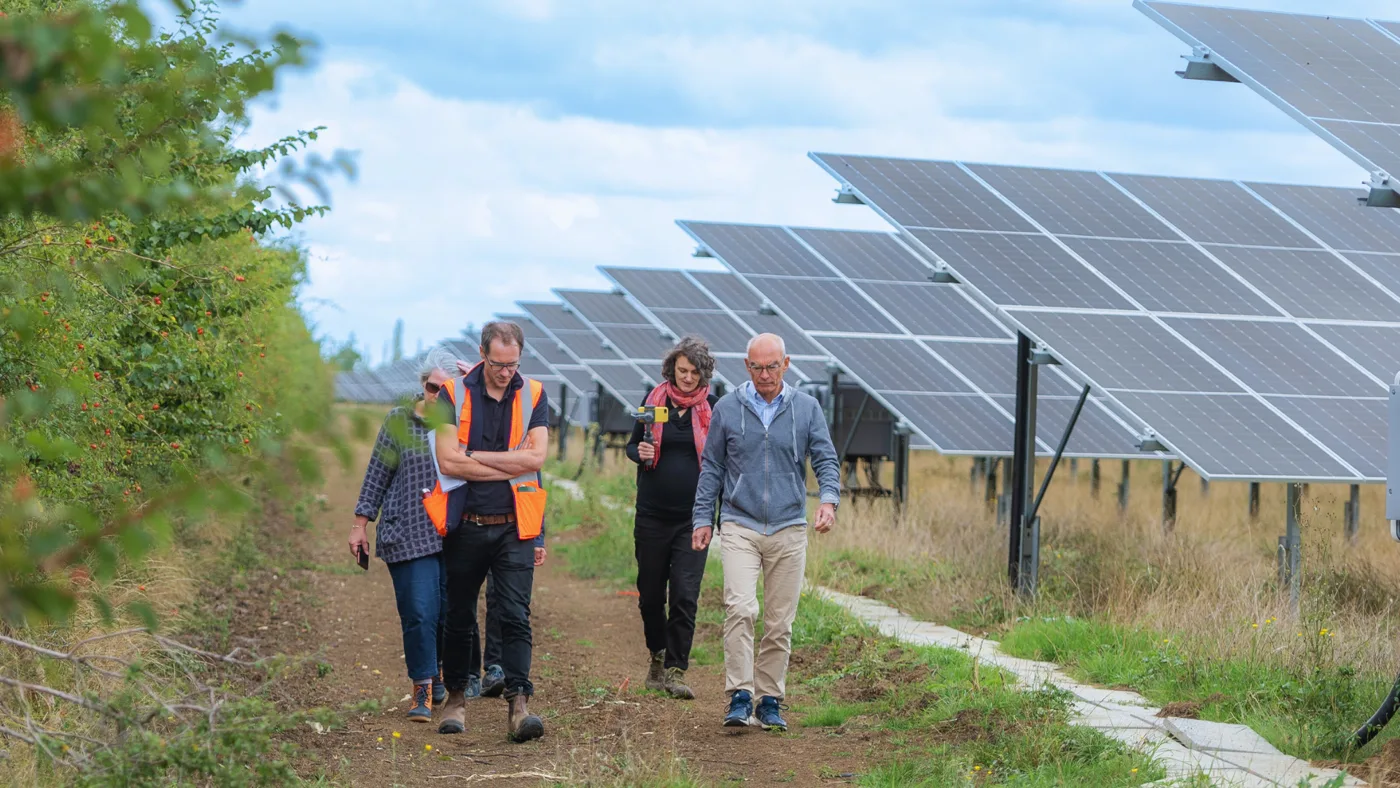
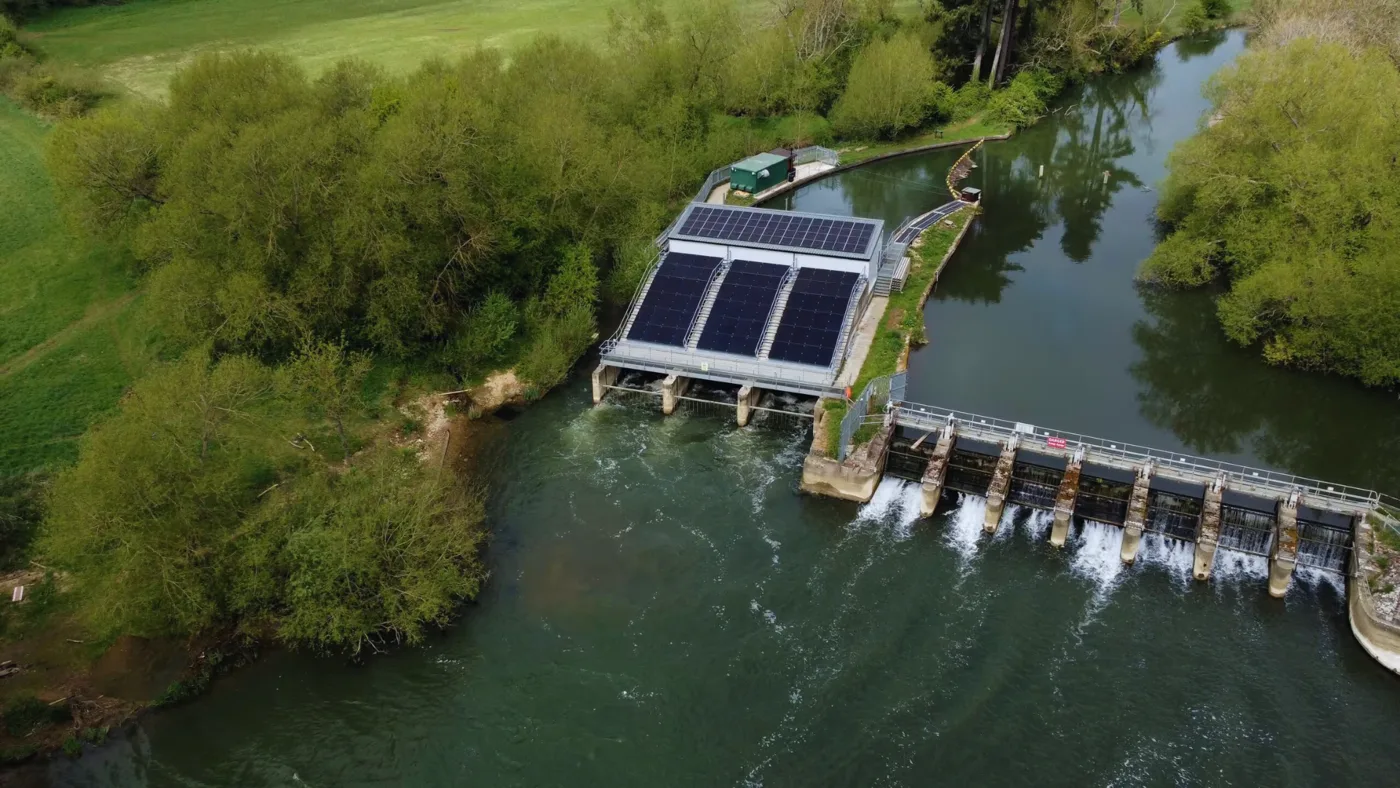
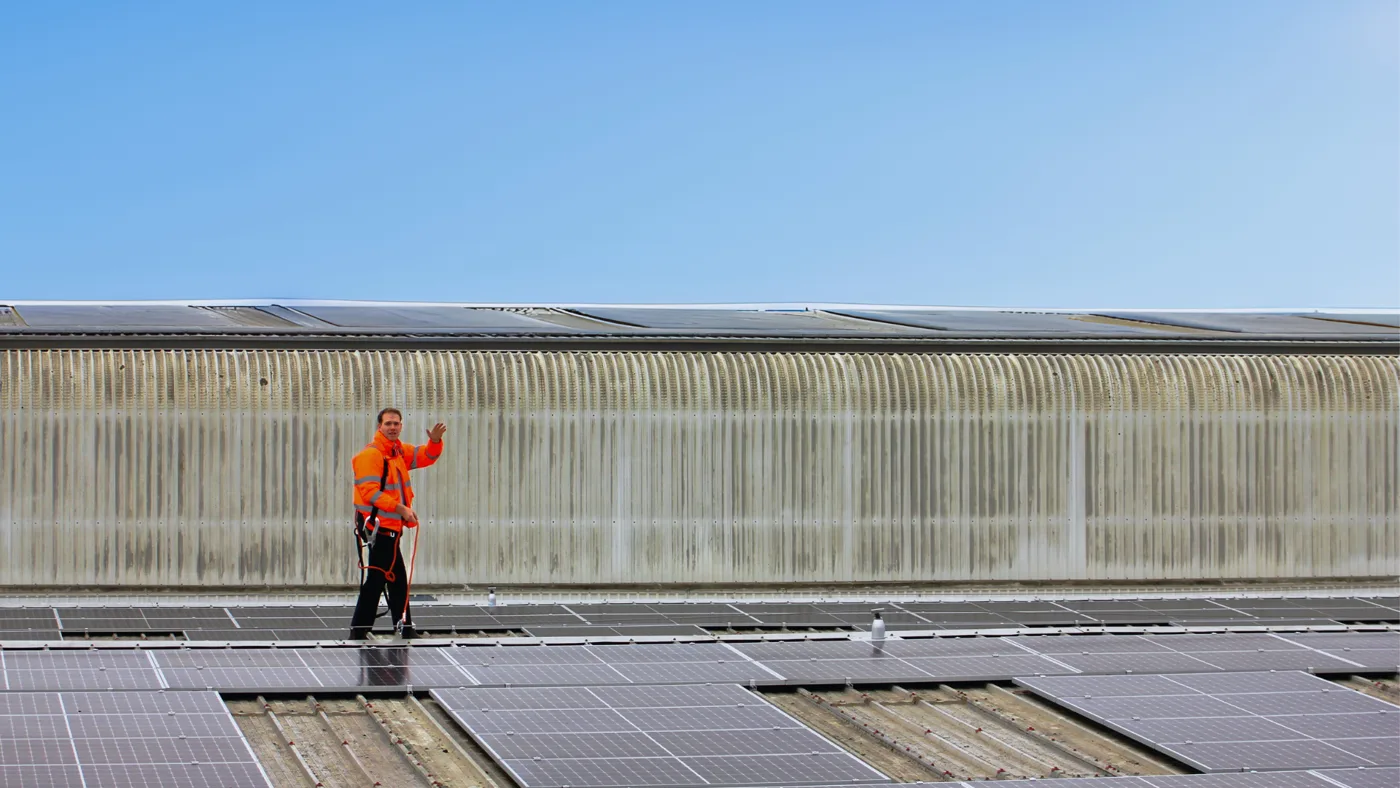
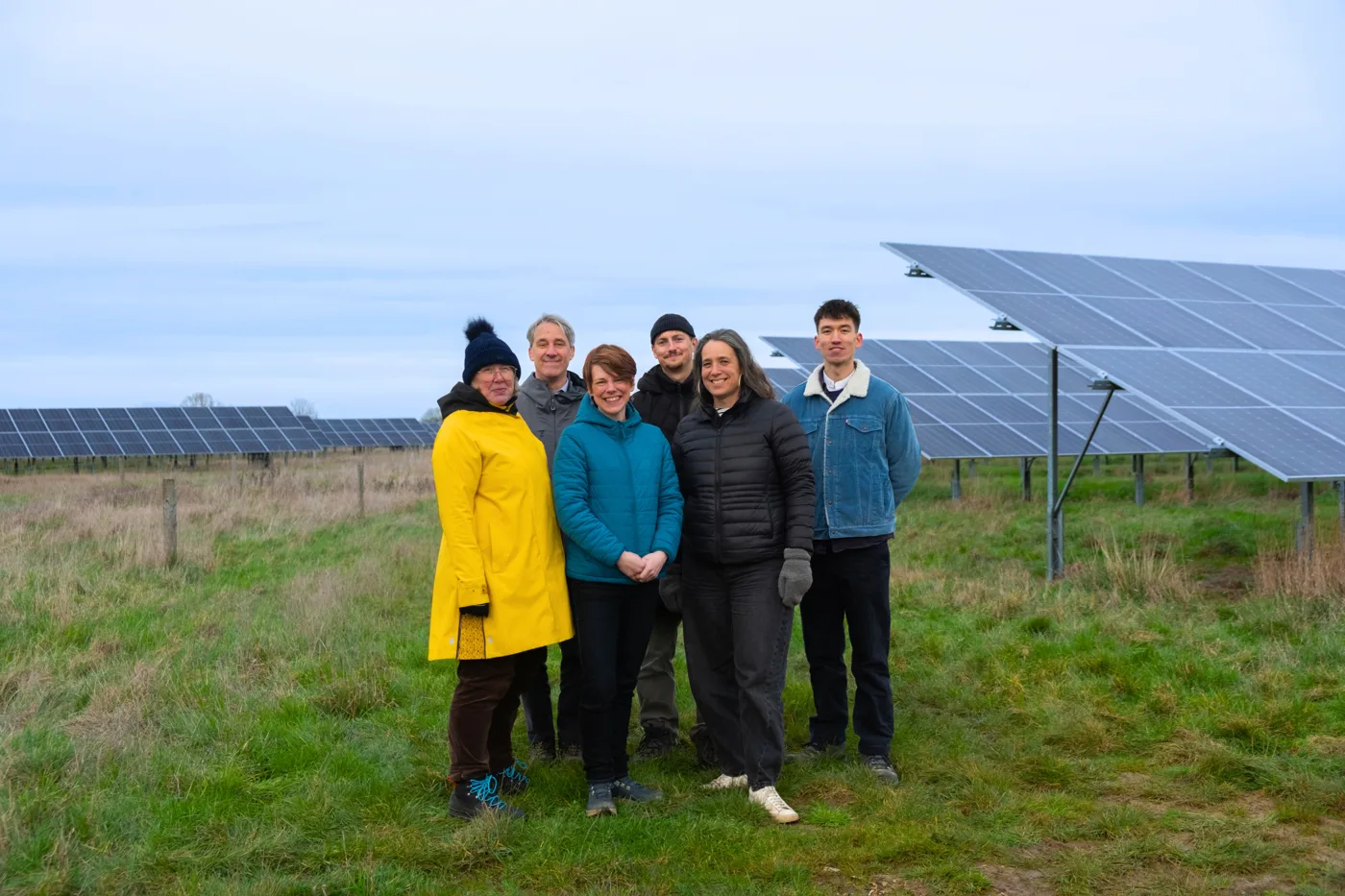
3 photos, swipe or scroll. Photos: supplied by Low Carbon Hub
Common Lot was set in motion by a philanthropic loan through the We Have The POWER project.
What it means for you
- If you want to invest: read the share offer document first, then apply through Ethex before 5 February 2027. The document itself recommends independent financial advice if you are unsure, and warns against investing money you cannot afford to lose.
- If you live in Yarnton or drive the A44: construction is planned from May 2027, with the park generating from February 2028.
- More detail: Low Carbon Hub’s investment page answers common questions about the fund.
Have your say