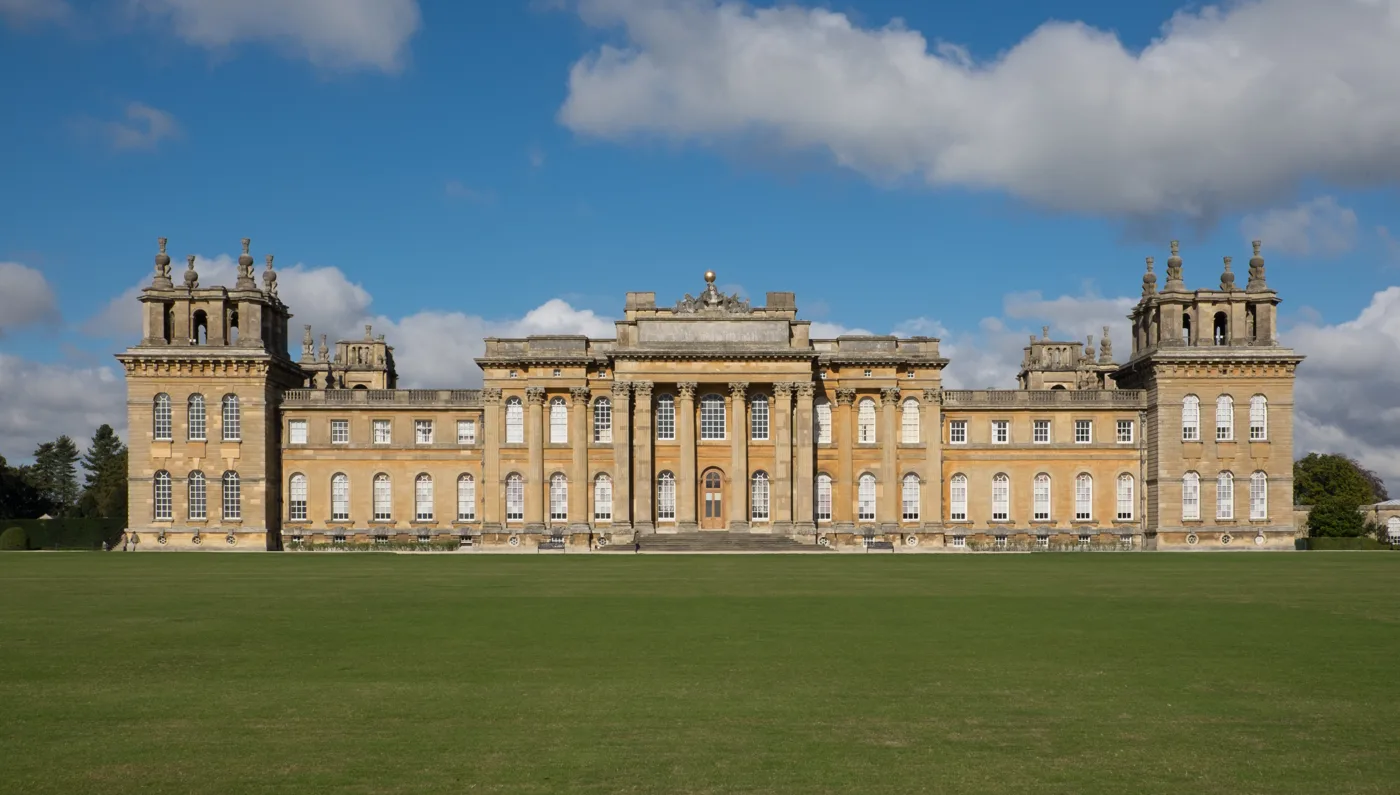

The government has refused the 840MW Botley West solar farm north-west of Oxford, citing Green Belt harm, Blenheim Palace and risks at London Oxford Airport.
The government has refused permission for the Botley West solar farm. It would have been one of the largest solar farms in the country, on farmland in West Oxfordshire, Cherwell and the Vale of White Horse, north-west of Oxford.
The decision was made on Tuesday 10 November by Minister Curran on behalf of the Energy Secretary. It is set out in a 113-page decision letter published by the Planning Inspectorate.
The applicant, Photovolt Development Partners on behalf of SolarFive Ltd, wanted to build solar panels with a generating capacity of 840 megawatts. The scheme also included a main substation, six secondary substations and 156 power converter stations.
Why it was refused
The minister agreed with the inspectors who examined the scheme. They had recommended refusal in February. The letter accepts that solar power is a “critical national priority” and gives that “very great positive weight”. It still concludes that the harm would outweigh the benefits.
The letter names the main reasons:
- Green Belt. It found “substantial harm”. Most of the central site (870 hectares) and all of the southern site (81 hectares) are in the Oxfordshire Green Belt.
- Heritage. It found harm to several protected sites, including the Blenheim Palace World Heritage Site.
- Landscape. It found significant harm to the landscape and to views.
- Aviation safety. It found remaining risks at London Oxford Airport in Kidlington that “present an unacceptable risk to public safety”.
- Farmland. It criticised how the applicant assessed and planned to restore the best quality farmland.
The airport question
The letter gives the airport a long section. It notes the inspectors’ finding that London Oxford Airport is “the biggest pilot-training airport in England”.
Oxford Aviation Services raised four concerns. These were safe landing areas for planes that lose an engine after take-off, glare from the panels, bird strike, and heat rising off the panels.
The inspectors said the applicant had removed “the most immediate threat to life”. But they said “only the minimum had been done” to protect trainee pilots. They also found the developer had submitted its heat studies late and had “put forward a poorly designed scheme from the outset”.
How long it took
The application went in on 14 November 2024. The examination ran from May to November 2025, and 1,115 people and organisations registered comments.
The decision was due in May 2026, but the deadline was pushed back twice. It moved to 10 September, and then to 10 November. In June the government refused the applicant’s request for more time to answer its questions until late September.
What the councils said
West Oxfordshire District Council had opposed the scheme as submitted. Its statement on 10 November welcomed the decision.
Councillor Liz Leffman, its executive member for planning, said: “We have always recognised the important role renewable energy has to play in tackling climate change and achieving net zero.”
“However, we have also maintained that developments of this scale must be planned carefully,” she said.
The Stop Botley West campaign group posted on its website that “all the hard work has paid off”.
Photovolt Development Partners had not responded publicly by Thursday. Its project website still described the decision as pending.
What it means for you
- No solar farm will be built under this application. The fields stay as they are.
- The decision can be challenged. Under the Planning Act, a judicial review claim can be made to the Planning Court within six weeks. That window runs from 11 November to 22 December 2026.
- A grid substation may still come. National Grid has its own plan for a new substation south of Farmoor Reservoir. That is a separate project and was not decided here.
You can read the full decision letter, the inspectors’ report and every submission on the Planning Inspectorate’s project page.
Have your say